
We’re delighted to welcome the team at Mental Health Research Canada (MHRC) as guest contributors to our blog for a thoughtful, two-part series on an issue that touches all of us: mental health.
While May is officially Mental Health Awareness Month, we’ve deliberately chosen to publish this series at the end of the month to emphasize a simple but important truth: mental health matters year-round. Awareness shouldn’t be confined to a calendar—it’s an ongoing conversation that impacts individuals, families, communities, and society as a whole.
In this first post, MHRC challenges some of the most persistent misconceptions about mental health, explores the difference between everyday emotions and clinical illness, and makes a compelling case for viewing mental wellness the same way we view physical health: as something that can be built, supported, and sustained.
We hope you find it as valuable and thought-provoking as we did.
In a world increasingly saturated with conversations about mental health, one truth continues to stand out: there’s often a gap between awareness and meaningful understanding. At Mental Health Research Canada, we work to change that by collecting and analyzing data that helps Canadians better grasp the state and nuances of mental health across the country.
We don’t provide clinical care. We aren’t therapists. Our team consists of researchers, analysts, and communicators, guided by mental health experts, but grounded in our core strength—data. In a crowded field, our mission is simple but essential: to make mental health insights clear, accessible, and actionable.
Bridging the knowledge gap
Our research shows that although people are consuming more mental health content than ever before, true understanding still lags. Many don’t fully grasp the concepts or language that define mental health, and that limits their ability to engage meaningfully with their own well-being—or support others.
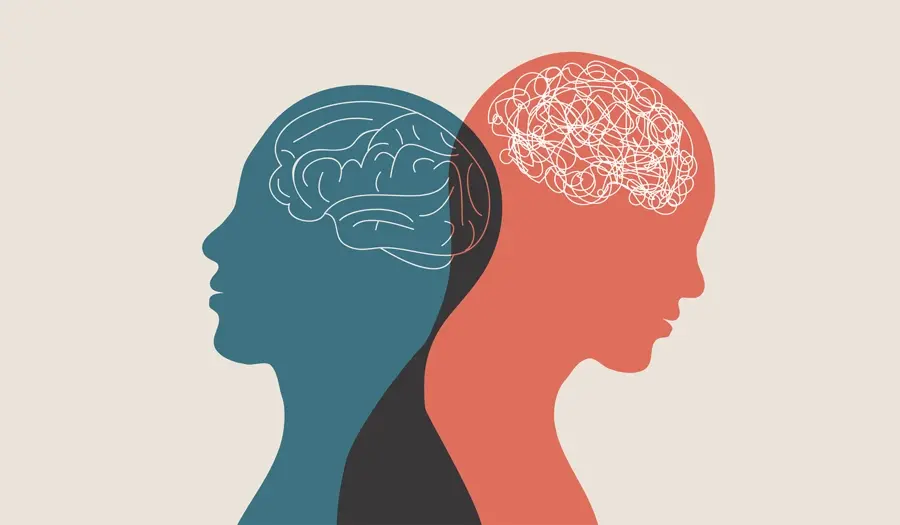
One major misconception? That mental health is somehow separate from physical health. In reality, mental health is the health of your brain—an organ like any other. Just as your heart or lungs can be healthy or ill, so can your brain. The artificial divide between “mental” and “physical” health prevents us from seeing how deeply they are connected.
Normal emotions vs. mental illness
Stress, sadness, anxiety—these are not inherently signs of illness. Life brings challenges, and it’s natural to respond emotionally. Mental illness begins when those responses become disproportionate, persistent, or interfere with daily functioning over time.
Understanding this distinction is vital. It helps reduce stigma and opens the door to more nuanced conversations about how we feel, how we cope, and when we might need support.
Building resilience, supporting wellness
Mental wellness is more than the absence of illness—it’s the presence of resilience. And just like physical health, it can be supported and strengthened. Through behavior therapies, community support, and everyday strategies, people can build healthier, more adaptive minds.
Mental health isn’t only for those in crisis—it’s for everyone.
We’re proud to carry this message forward with clarity and compassion. And we’re supported in that mission by trusted advisors like Newport Private Wealth, whose thoughtful stewardship allows us to focus fully on the work that matters most.
Special thanks to the team at Mental Health Research Canada
www.mhrc.ca | info@mhrc.ca